According to reports by the International Data Corporation (IDC), the amount of data generated globally is expected to surpass 175 zettabytes by the end of 2025. Despite this, more than 80 percent of all company data remains in unstructured formats such as handwritten...
Significance of OCR for Processing Legal Documents
The legal industry is widely recognized as one of the most highly regulated sectors in the world. A rising trend in this field is legal informatics, which involves the digitization of legal data. Given the abundance of legal information, ensuring security and accuracy...
10 Ways to Streamline Your Business with Document Scanning
Dealing with paperwork and documentation is an unavoidable aspect of any business environment. Managing documents involves numerous processes that can often feel overwhelming. Document scanning services are a powerful solution for digitizing and organizing physical...
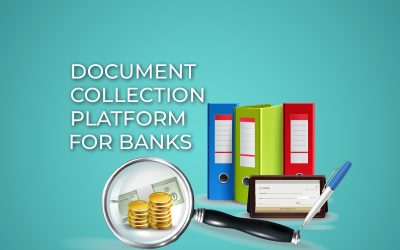
4 Key Features of a Document Collection Platform for Banks
Document collection in the banking sector involves the systematic collection and organization of various documents and information from customers and clients. It is an essential procedure for ensuring smooth and safe transactions and also assists in identifying risks,...
How Law Firms Can Streamline Document Management and Enhance Client Service
Lawyers handle a wide range of documents on a daily basis, depending on their area of practice and the specific cases they are working on. The documents that lawyers handle range from legal pleadings, contracts, discovery documents, legal briefs, agreements, witness...
The Game-changing Benefits of Document Scanning in Education
In today's digital age, document scanning has emerged as a powerful tool that offers numerous benefits to various industries, including education. By converting paper-based documents into digital formats, educational institutions can streamline their operations,...